The news on the GTA housing market hasn’t been good. Sales are down, prices are down, and the forecasts keep getting cut. In this episode of Make Money Count, Marcus and Justin go through the numbers, put today’s price drop next to the worst crash the GTA has seen, and talk through what homeowners can do right now.
The short version: things are still getting worse, but we’re likely closer to the bottom than the top.
Six Signs the Market Got Worse
- Sales are down 9%. About 9% fewer homes sold in the GTA this September than last September, and last year was already slow.
- Prices are down 4.7%. In September, the benchmark price of a typical GTA home was 4.7% lower than a year earlier.
- Forecasts keep falling. The Canadian Real Estate Association has cut its 2026 Ontario forecast three times and now expects prices to drop 3%.
- The outlook is no better. Royal LePage expects GTA prices to be down 2% this quarter compared with last year.
- Sellers are holding back. New listings were down 14% in September, a sign that many owners would rather wait than sell into a soft market.
- More owners are falling behind. Almost 7,000 Ontario homeowners are more than three months behind on their mortgage. That’s only about 0.3% of mortgages, but it’s thousands of families.
October’s numbers show the same trend. Sales were down 7.9%, the benchmark price was down 4.3% and new listings were down 11.9% compared with October 2025.
How Today Compares to the ’90s Crash
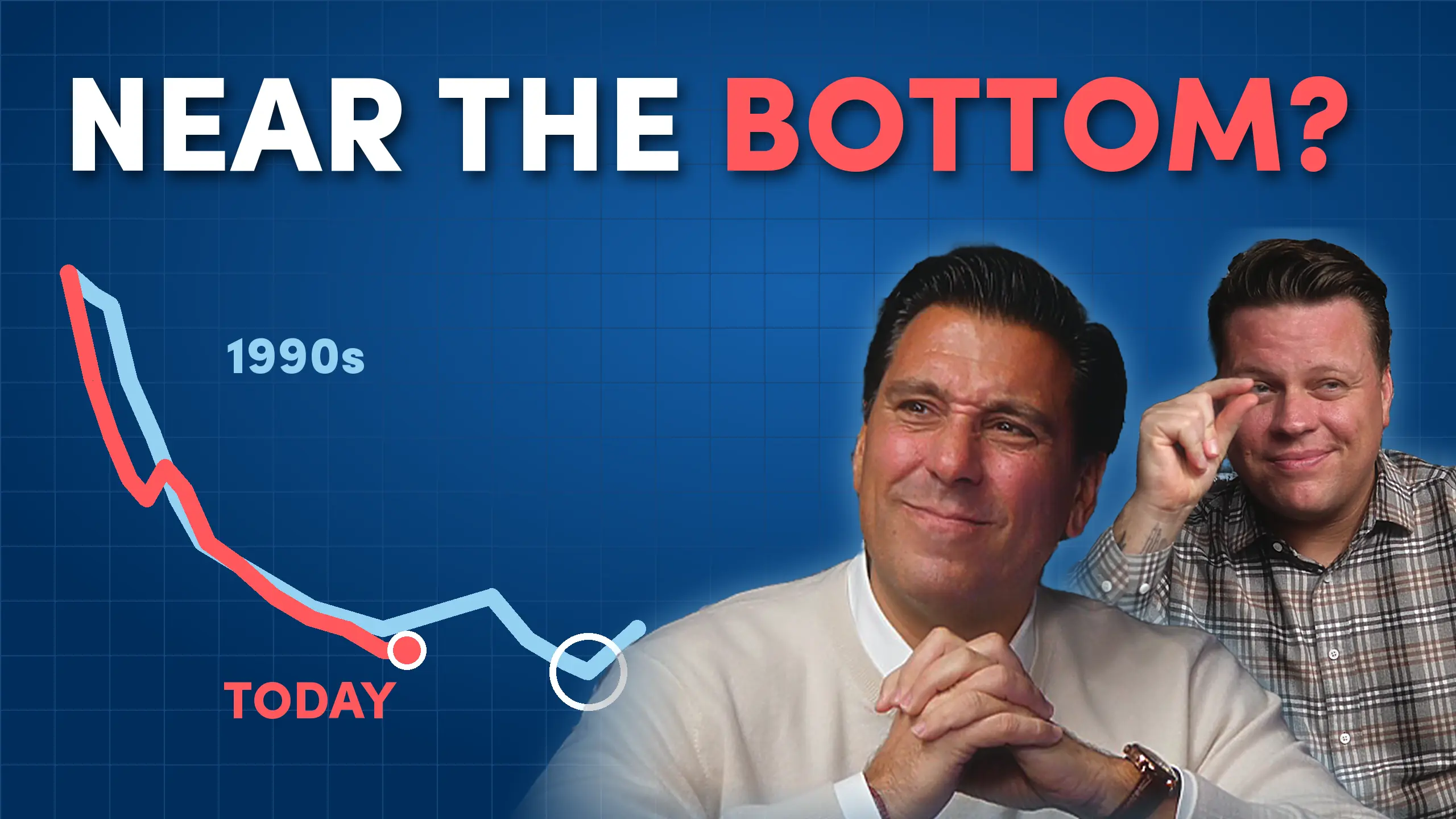
A chart from Alex (@xelan_gta) of Toronto Real Estate Analytics compares today’s drop in GTA prices with the three previous big corrections, measured from each peak and adjusted for inflation. The 2007 to 2009 dip lasted under two years and bottomed out a little short of 10%. The 2017 to 2018 correction lasted about a year and fell about 12% before prices recovered.
The 1989 to 1996 crash was the worst on record, and apart from a much faster fall in the first year, today’s drop has followed its path closely. After inflation, GTA prices are now down roughly 36% from their peak, close to the roughly 38% where the ’90s crash bottomed out.
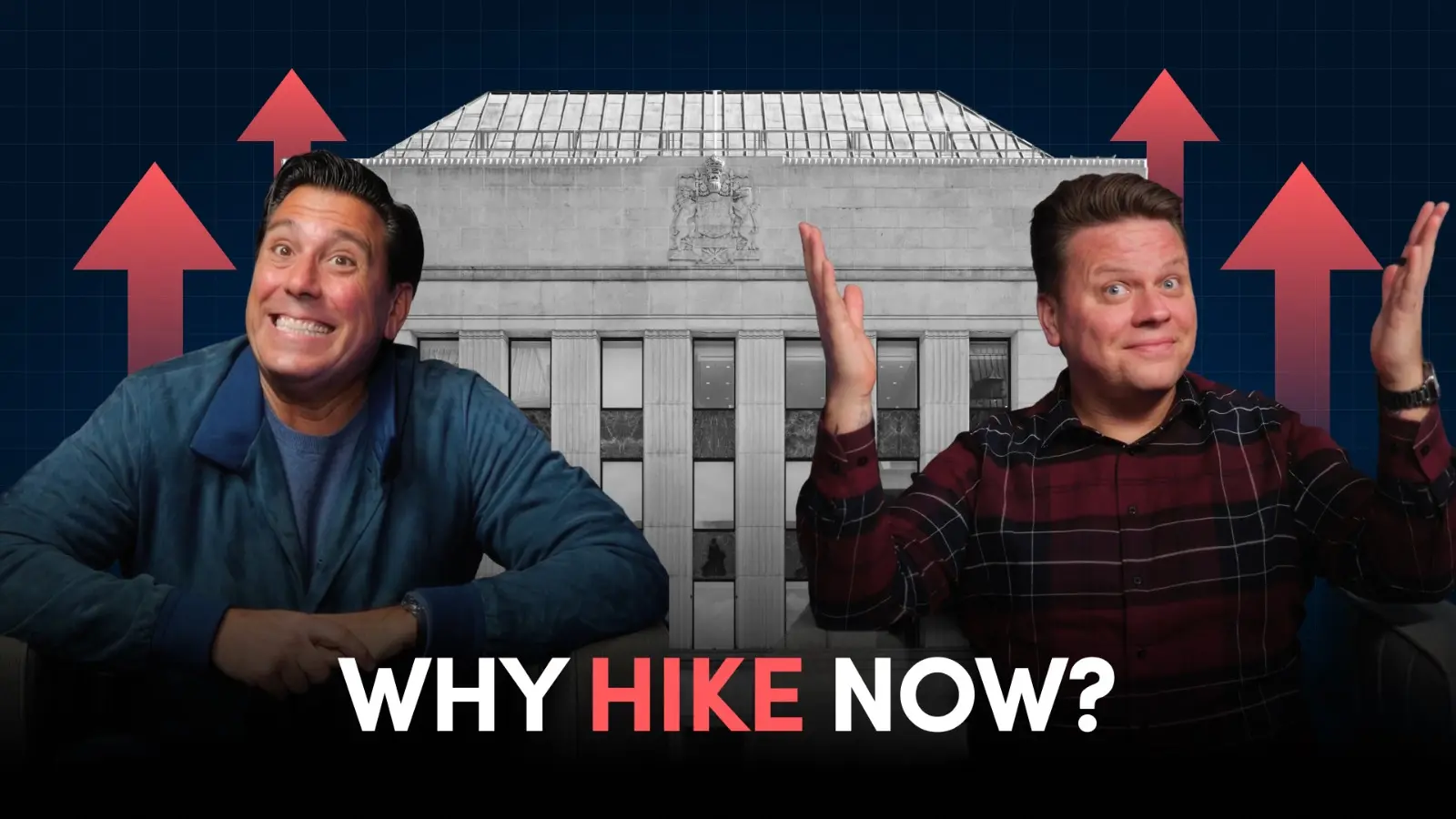
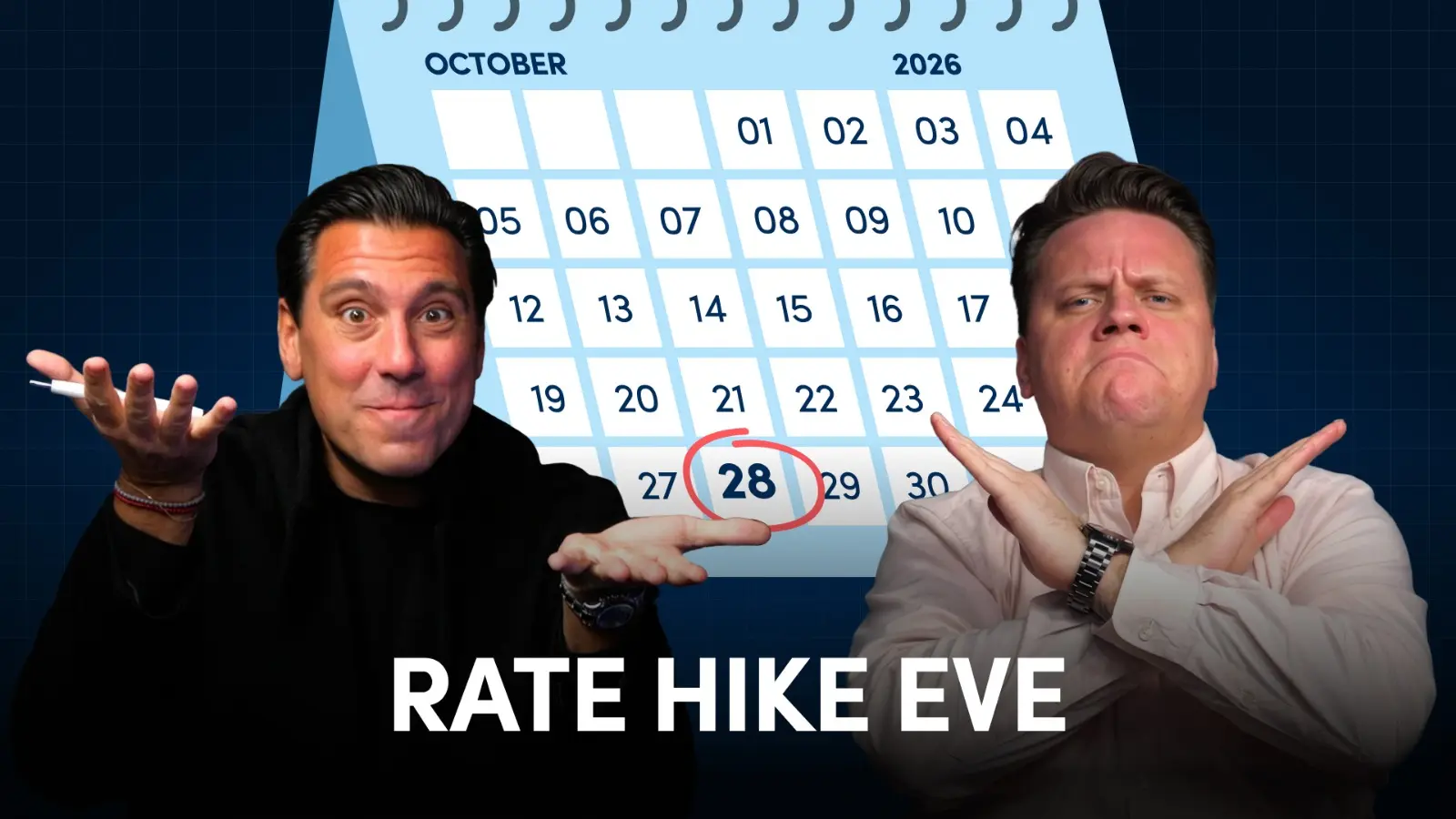
The wild card is interest rates. If rates keep climbing, prices could fall further, and Marcus doesn’t think the realtors’ forecasts account for that. On October 28, the Bank of Canada raised its policy rate by 0.25 percentage points to 2.5% and said further increases could be needed.
Who Comes Out Ahead
Falling prices aren’t bad news for everyone. For first-time buyers, this could be a great time to buy, if not right now then soon. The hard part, as always, is calling the bottom.
Affordability Is Coming Back
The same research tracks how much of a typical Toronto household’s income goes to the mortgage payment on a typical home. Over the past 30 years, it has averaged about 35%. It peaked at 68% in 2023, when prices, mortgage balances and interest rates were all high at the same time. Today it’s back down to 42%.
That’s real progress, but it’s fragile. Some economists expect the Bank of Canada to raise rates by about 1% over a year, and the first increase came on October 28. Every increase makes affordability worse again.
The StatCan Revision That Changes the Demand Picture
Statistics Canada recently raised its estimate of Canada’s population by about 300,000 people. It had been assuming that temporary workers left the country as soon as their permits expired. Once it started checking border data, it found that many hadn’t.
With the revision, every province is now growing, not just seven of the ten, and the population is close to 42 million. That helps explain why rents are still rising and small condos are still being absorbed, even as prices fall. Marcus also expects federal policy to shift toward foreign workers for higher-paying, highly skilled jobs, which he thinks will help considerably.
What about the foreign buyer ban? The November 5 federal budget extended it for existing homes to January 1, 2029, while exempting newly built homes. Marcus doesn’t see the ban on its own as a big driver of prices either way.
Four Moves to Make Before Your Renewal
1. Hold a Rate Now.
If your mortgage renews in the next 12 months, get a rate hold in place. Many people think you can only hold a rate for about four months, but some lenders will hold one for up to a year. Bond yields, which drive fixed mortgage rates, rose 30 basis points (0.30 percentage points) in a single month this fall, and the Bank of Canada has since raised its rate, so waiting can cost you. You don’t have to use the rate you hold, and setting one up is quick.
2. Get Your Financial Snapshot in Order.
A mortgage application is a snapshot of you, your home and your finances at one moment. If your credit score has dipped because card balances are high, there’s time to fix it: you may be able to use your home equity to pay those balances off, and your score can recover in 30 to 60 days. A soft credit check shows where you stand without affecting your score.
3. Get an Appraisal That Works for You.
When your bank sends an appraiser, the report belongs to the bank, not to you. With values falling, a low appraisal can limit the products you qualify for, especially if you owe a lot compared with what your home is worth. We can help you arrange an appraisal that works for you.
4. Don’t Wait for Your Bank’s Renewal.
We’re seeing more and more renewal offers arrive above market rates, and some arrive so late there’s little time to shop around. Some of the banks’ best customers seem to be getting offers early, at rates that aren’t competitive, and at least one lender now sends a ready-to-sign renewal package 45 days before the renewal date. Once you sign, you’re locked in. Compare before you sign anything.
Watch the Full Episode
The episode goes deeper on the charts, the StatCan revision and what renewing homeowners are running into right now.
[Watch: Worst Drop Since the ’90s?]
Have a renewal coming up? Book a free 15-minute mortgage check-up [booking link] or call 416-766-9000.
This article is general information, not financial advice.