In this week’s episode of Make Money Count, Marcus and Justin take on a question that sounds like a stretch: how did the US midterm elections end up affecting your Canadian mortgage rate? Marcus argues the midterms have had a bigger impact on borrowing costs than anything else in the last 90 days. Here’s how the chain reaction works, and what Marcus suggests doing about it.
How the Midterms Reached Your Mortgage
Marcus explains that the market believes the results will limit some US actions, particularly around Iran. That led investors to expect the conflict to wind down sooner, and the effects showed up in oil, bond yields and rate expectations almost immediately. Marcus is clear that this is a belief in the market, not a done deal.
Bond Yields Drop to Their Lowest Since Early September
Bond yields fell by the most in quite some time. Marcus puts them at 3.43% this morning, the lowest since early September. Fixed mortgage rates tend to follow bond yields, which is why this matters for anyone shopping for a fixed rate.
Oil Drops Nine Percent
Right after the midterms, oil fell 9% to $94 a barrel, a two-month low. Marcus adds some context: gas prices are still up 28% over the last year, so there is a long way to go before relief shows up at the pump.
The Odds of a December Hike Are Falling
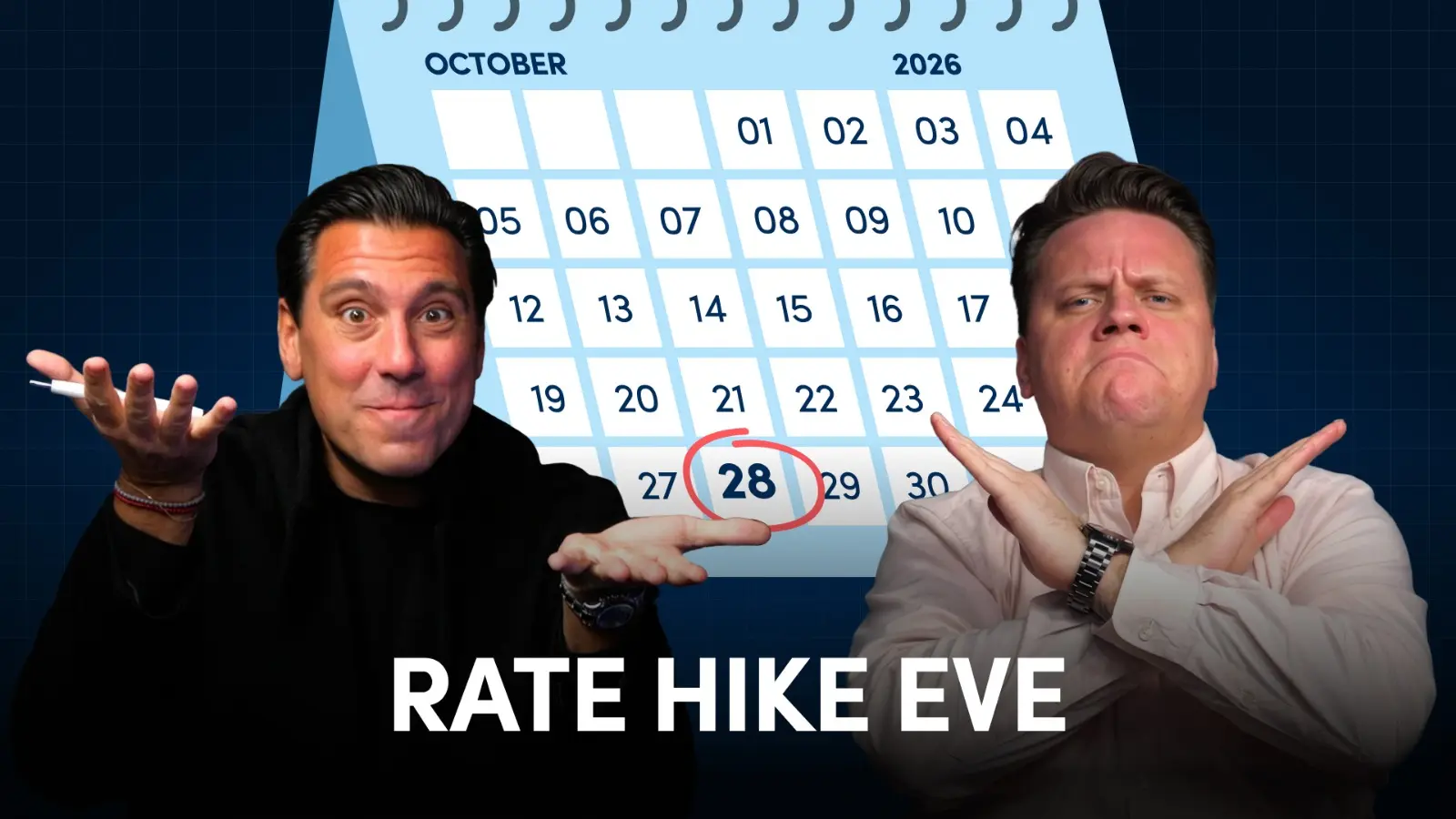
The probability of a Bank of Canada rate hike in December now sits at 46%, and Justin points out that it was much higher before. Marcus says a hold is now more likely than a hike, and that the market is expecting fewer hikes and not as soon. Justin’s reaction: it’s all music to his ears.
Marcus’s Domino Chain
Marcus brings an info graphic that maps the dominoes affecting your interest rate. The midterms come first, then the drop in oil. Lower gas prices feed into the next CPI reading, and if inflation comes in lower, that shapes the Bank of Canada’s December decision. Each step depends on the one before it, which is why the chain only works if oil prices stay down.
Why the Good News Comes With a Caution
Marcus doesn’t want anyone getting ahead of themselves. He points out that oil tankers are still burning in the Strait of Hormuz, negotiations are still unsettled, and the market is habitually overly optimistic. If things turn erratic again or Hormuz flares up, the progress on oil and yields could reverse quickly.
Lock In a Rate and Keep It in Your Back Pocket
Marcus expects fixed rates could come down, and his advice is to consider locking into a lower fixed rate now and waiting out your term. If the situation gets worse, you already have your rate in your back pocket. Justin notes that anyone renewing in the next 12 months can call to lock a rate in, and Marcus mentions that a rate can be locked in for 12 months. Eligibility and terms apply, so talk to us about whether this fits your situation.
What This Episode Is Really About
Rates are moving in a better direction, but the reasons behind the move are still unsettled. Marcus and Justin’s advice is to use the window while it’s open. A locked rate protects you if things get worse, and if rates keep falling, you can reassess before your term begins.
Not sure what your mortgage options are? Talk to a Cannect expert now.
Watch the full episode of Make Money Count for the complete breakdown. Subscribe to the Cannect YouTube channel for weekly mortgage and real estate insights you will not find anywhere else.